Join us for our biggest festival yet!
This year’s program is our biggest yet, featuring an exciting, multifaceted collection of SIX new works-in-progress spanning genre, theme, and scientific focus, showcasing the range of science-driven theater as an art form.
Join us for the MACH 33 Festival May 14-16 for readings of the MACH 33 plays and readings of selections from the Launchpad plays!
Interested in being a part of the festival? Auditions will be April 11 (time TBA) at TACIT House (275 S Hill Ave). Sign up here:
Festival Schedule
Wednesday, May 13
7pm
Parity
by Howard Ho
directed by Sandra Tsing Loh
Science Advisor: Prof. Cliff Cheung
Thursday, May 14
Frautschi Hall, Hameetman Center
7pm
HUBBLE NIGHT
River of Night
by Randal K. Jackson
directed by Cole Remmen
Science Advisor: Prof. John Preskill
Redshift
by Simon Bowler
directed by Kevin Delin
Science Advisor: Prof. Alan J. Weinstein
Friday, May 15
7pm
Sing for Me
by Cris Eli Blak
directed by Melissa Coleman-Reed
Science Advisor: Tinashe Handina
Saturday, May 16
4pm
The Heat of the Sun’s Rays
by Katherine Vondy
directed by Jessie Lee Mills
Science Advisors: Olivia Alcabes and Zhaoyi Shen
7pm
Haunt Me
by James Still
directed by Abigail Desler
Science Advisor: Solvin Sigurdson
Dementia Advisor: Anna Schlobohm de Cruder
MACH 33 Winners
The Heat of the Sun’s Rays
by Katherine Vondy
directed by Jessie Lee Mills
Science Advisors: Olivia Alcabes and Zhaoyi Shen
In ancient Greece, Cassandra has visions of what is going to happen during the Trojan War. In 19th-century London, a group of academics gathers to discuss the world’s latest scientific developments. And in 2024 Phoenix, a young woman and her grandmother grapple with a historic Arizonan heat wave. What strange thread unites these faraway people, places, and times? Only the groundbreaking work of early American climatologist Eunice Newton Foote can reveal the connection.
Haunt Me
by James Still
directed by Abigail Desler
Science Advisor: Solvin Sigurdson
Dementia Advisor: Anna Schlobohm de Cruder
Best-selling horror writer Ellery du Trent begins to disappear into the novel she’s writing, with the unsettling assistance of an AI program called MUSE. Haunt Me is an intimate psychological horror where fiction and reality slowly blur, revealing how memory, identity, and creation can slip away when the stories we tell seem to take on a life of their own.
Sing for Me
by Cris Eli Blak
directed by Melissa Coleman-Reed
Science Advisor: Tinashe Handina
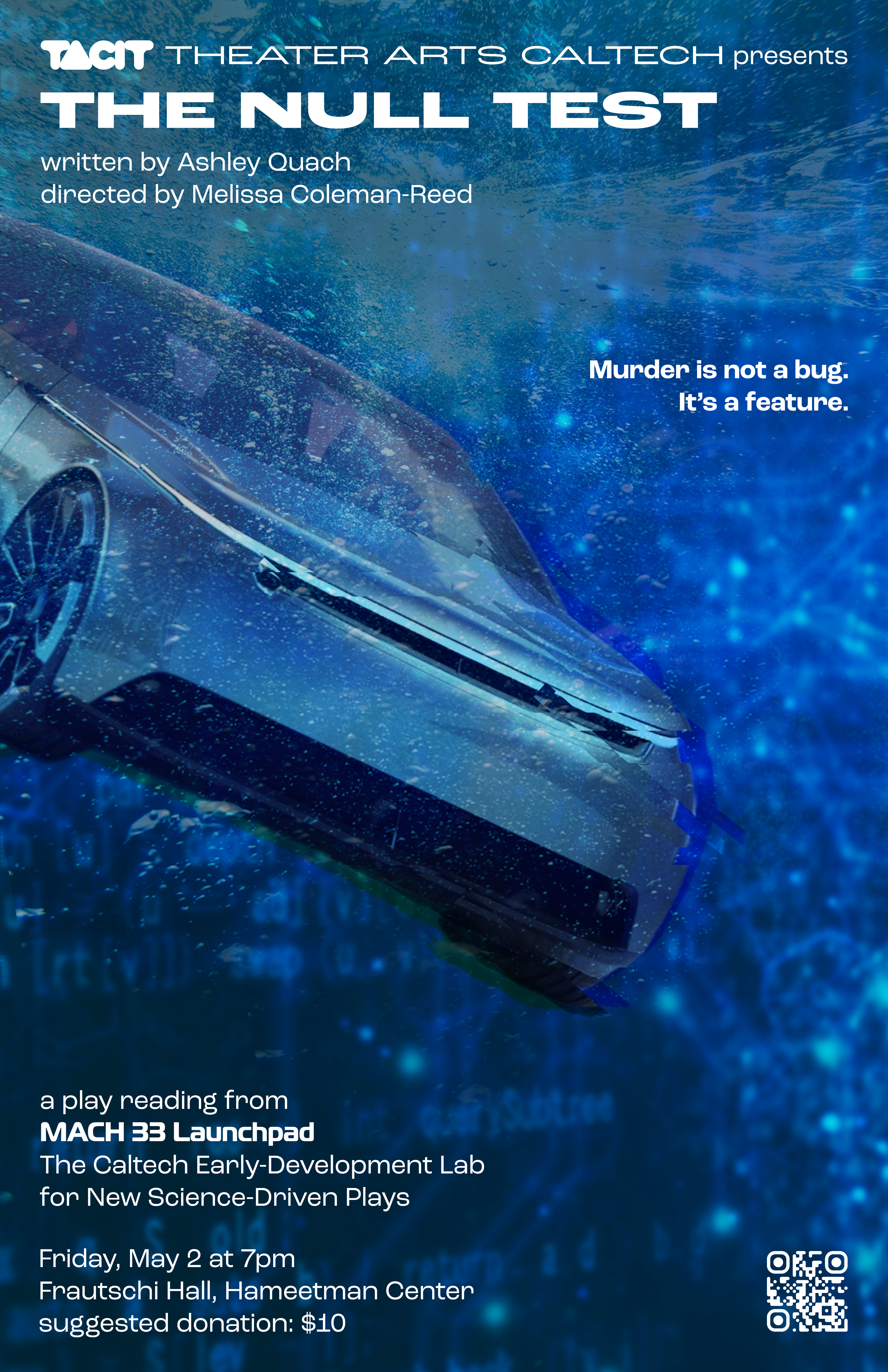
A rising Black musician is offered stardom, on one condition: her voice will be heard, but her face will be replaced by an AI-generated white avatar. Sing for Me, a new Cris Eli Blak play, interrogates who gets seen, who gets paid, and what survival costs in an industry built on extraction.
Launchpad Winners
River of Night
by Randal K. Jackson
directed by Cole Remmen
Science Advisor: Prof. John Preskill
River of Night explores one of the most profound scientific turning points of the twentieth century: the realization that the universe extends far beyond our own galaxy. Set on Mount Wilson Observatory in the 1920s and 30s, the play brings Edwin Hubble, Milton Humason, and Albert Einstein to life against a backdrop of political upheaval and the rise of fascism in Europe.
Redshift
by Simon Bowler
directed by Kevin Delin
Science Advisor: Prof. Alan J. Weinstein
In the 1920s, Edwin Hubble, an eccentric and brilliant astronomer, challenges mankind’s assumptions about the structure of the universe. Despite fierce opposition, he and Einstein prove that the universe is infinite and is expanding. A tense drama, Redshift explores ambition, doubt, and the courage to overturn—and then question—one’s own truths.
Parity
by Howard Ho
directed by Sandra Tsing Loh
Science Advisor: Prof. Cliff Cheung
Parity was a law of physics until a Chinese American woman at Columbia University in the 1950s disproved it against all odds. This is the true story of Chien-Shiung Wu 吴健雄 AKA the First Lady of Physics and the Queen of Nuclear Research. The only ceiling she cared about was our understanding of the universe, but along the way she broke through many more.
Founded in 2013, MACH 33: The Caltech Festival of New Science-Driven Plays is a one-of-a-kind play development program, culminating in readings of new theatrical works focused on science by playwrights from the Greater Los Angeles area. Over the past decade, MACH 33 has helped nurture the evolution of dozens of exciting new plays focused on the ideas, history, and human drama of science.
MACH 33 energizes the conversations about scientific, mathematical, and technological questions by staging readings of new, unpublished, unproduced plays. Festival playwrights have the unique opportunity to work with science advisors from Caltech and JPL, so we focus on plays that could benefit from this science mentorship. The readings are open to the public and present a discussion with Caltech/JPL scientific panelists after the show. Our casts and crews feature professional actors and directors as well as students and members of the Caltech/JPL community.
Launchpad, the new early-development play lab, seeks to spark creative exchange between playwrights and scientists, serving as a laboratory for new plays focused on scientific, mathematical, and/or technological themes. Operating under the auspices of MACH 33, the new Launchpad initiative is aimed at works-in-progress in the earlier stages of the script writing process. Through this program, playwrights will also have the unique opportunity to work with science advisors from Caltech and JPL to develop their plays.
What’s in a Name?
“Escape velocity” is the speed needed to “break free” from the gravitational attraction of a massive body. On the surface of Earth, escape velocity is about 11.2 kilometers per second, or approximately 33 times the speed of sound: MACH 33.
Our name celebrates the innovative, dynamic breakthroughs that scientists and artists achieve. Through our performances and post-show discussions, MACH 33 strives to:
- Strengthen personal connections to the scientists, engineers, and mathematicians who shape our world
- Challenge and broaden the view of science, mathematics, and technology in the popular imagination
- Make science feel more alive, exciting, and tangible
- Deepen our emotional responses to science and scientific inquiries
- Activate new ways of imagining the science all around us
Outside of the festival, MACH 33 has also helped develop plays including The New Galileos by Amy Berryman, Rocket Girl and Pasadena Babalon by George D. Morgan, God Particle Complex by Chris Bell and Josh Zeller, and Another Revolution by Jacqueline Bircher (which TACIT toured to Italy in 2023).
Brian Brophy, Director of TACIT, is the Artistic Director of MACH 33.
Arden Thomas serves as the Associate Artistic Director of MACH 33.
Cole Remmen serves as Program Director for Launchpad.
This year’s application period is now closed, but you can check out the application requirements.
For other science-driven theater programs, check out our resource page.
Past MACH 33 Plays
2024
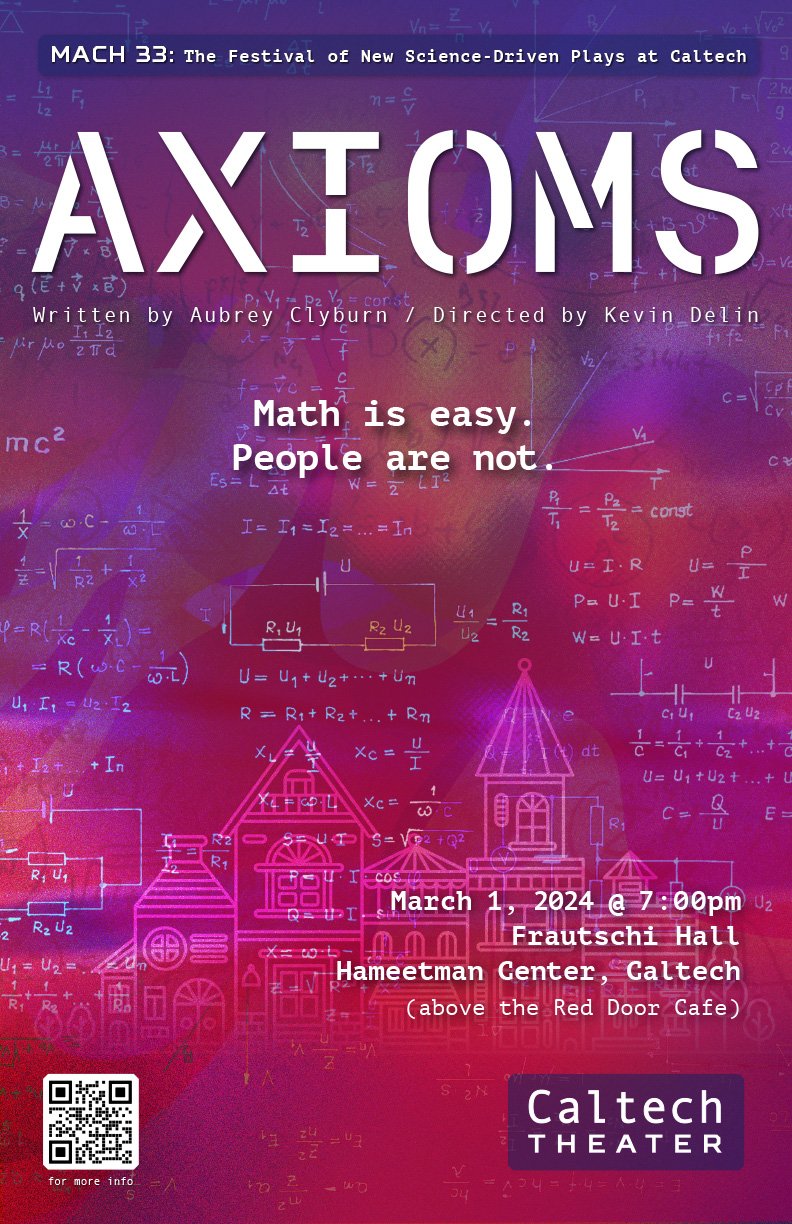
Aubrey Clyburn
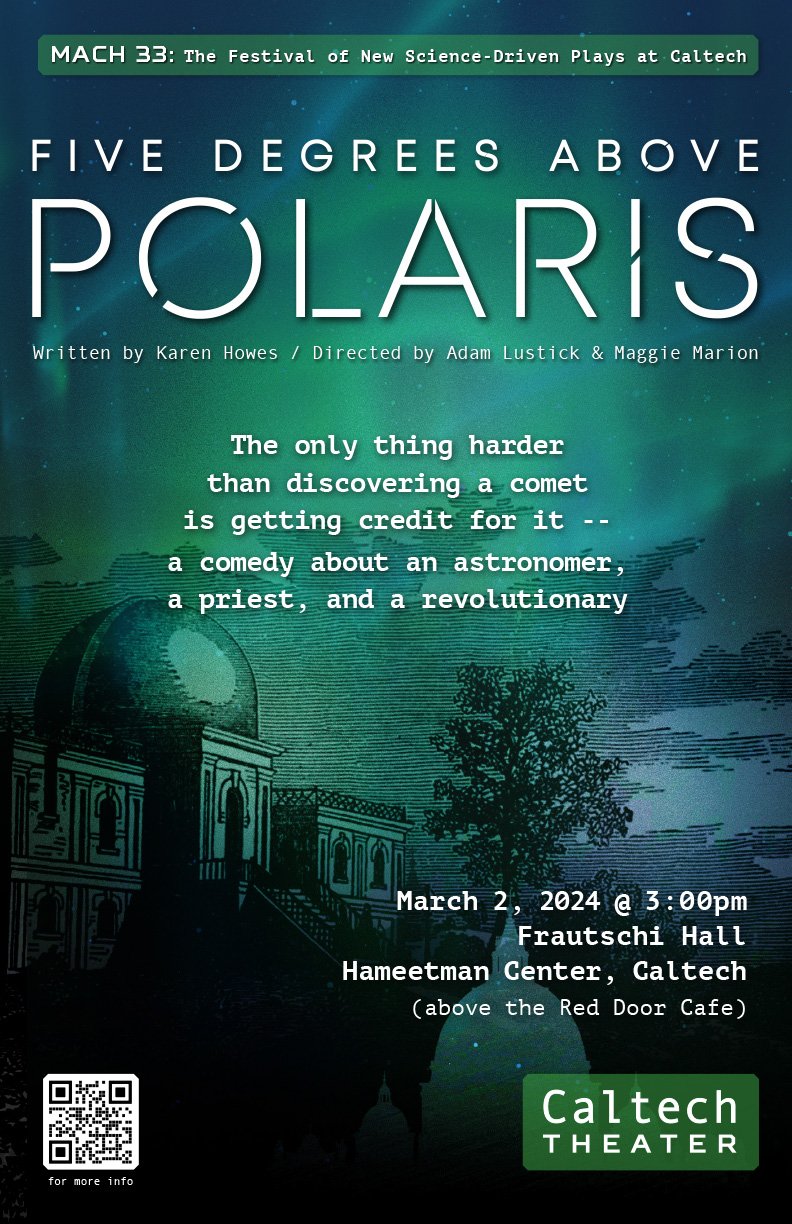
Karen Howes
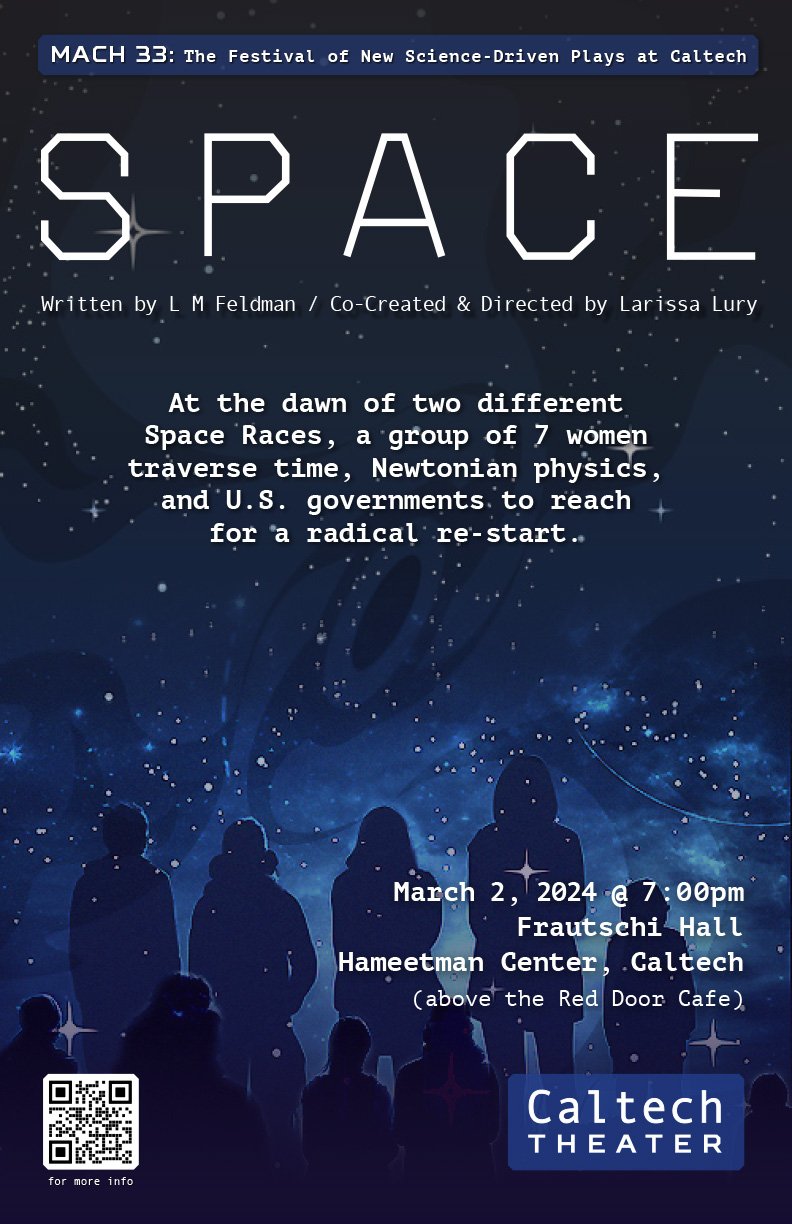
L M Feldman and Larissa Lury
2020
(festival event suspended due to pandemic)
Rachel Bublitz
Desireé York
Hannah Manikowski
2019
James Armstrong
Susan Bernfield
Kristin Idaszak
2018
Lolly Ward
Anna Nicholas
Stephen Dierkes
2016
Paula Cizmar
Hillary Bhaskaran and Gerald Pops
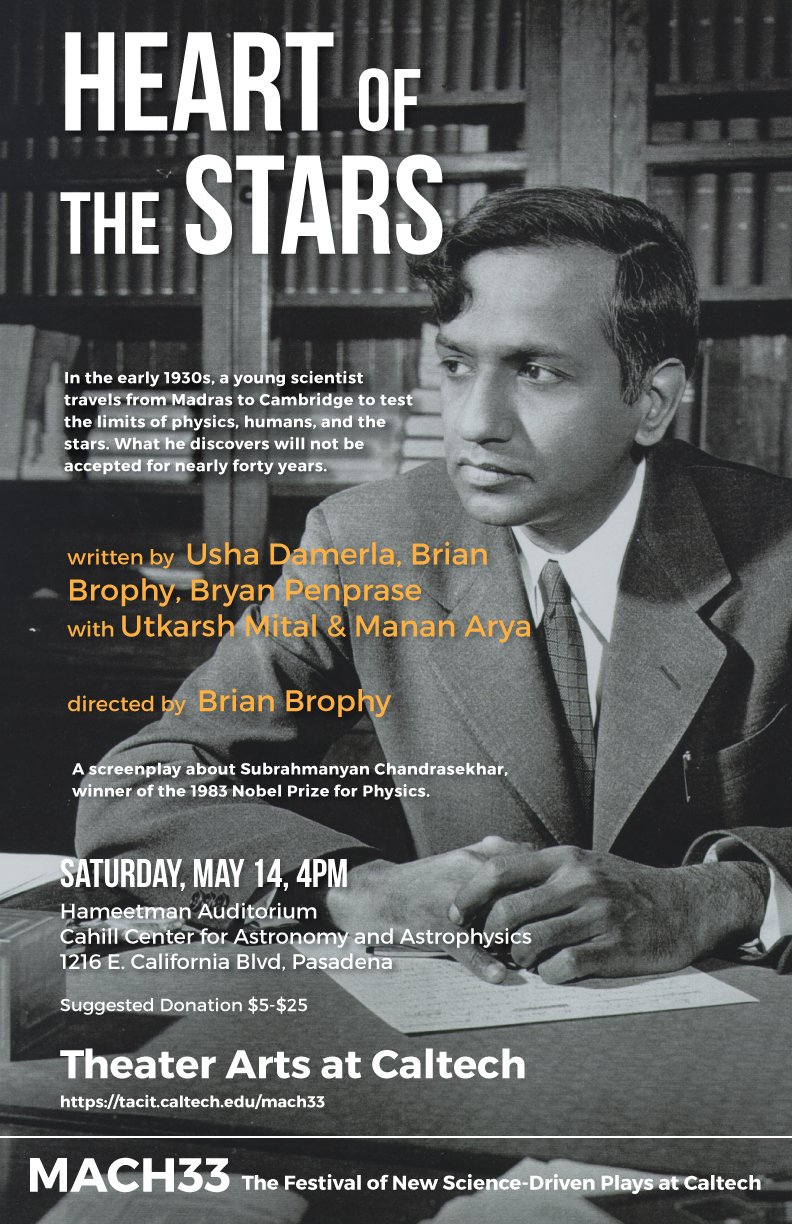
Brian Brophy, Bryan Penprase,
Manan Arya, and Utkarsh Mital
2014
Laurel Ollstein
Lolly Ward
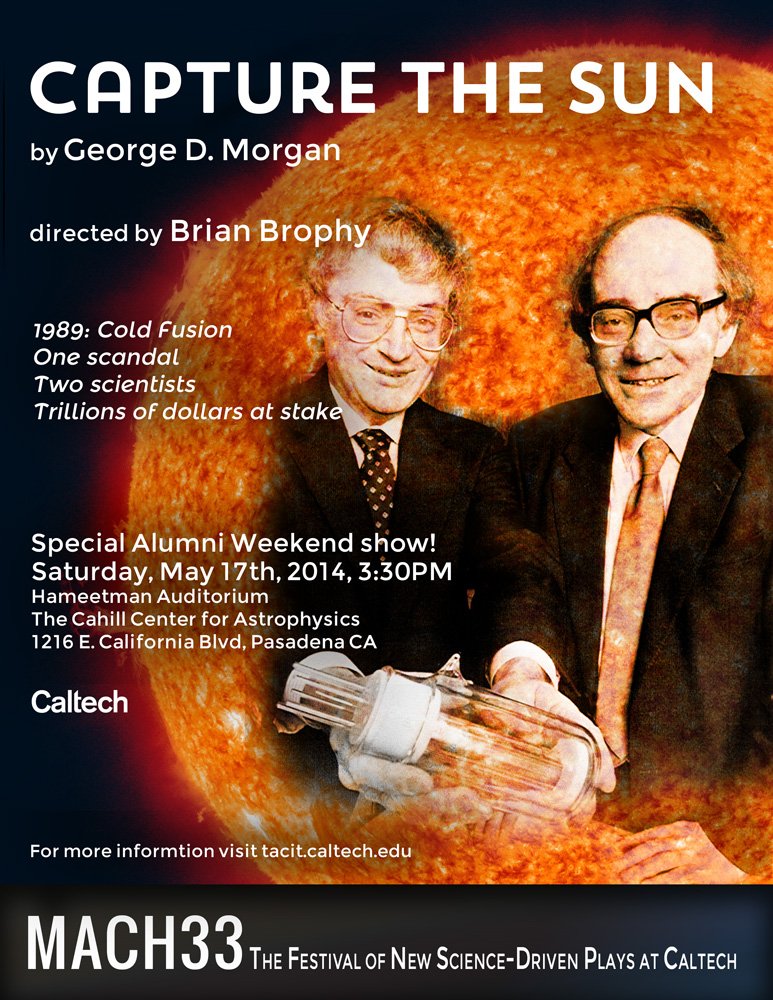
George Morgan
George Shea
Dr. Keeling’s Curve
2013
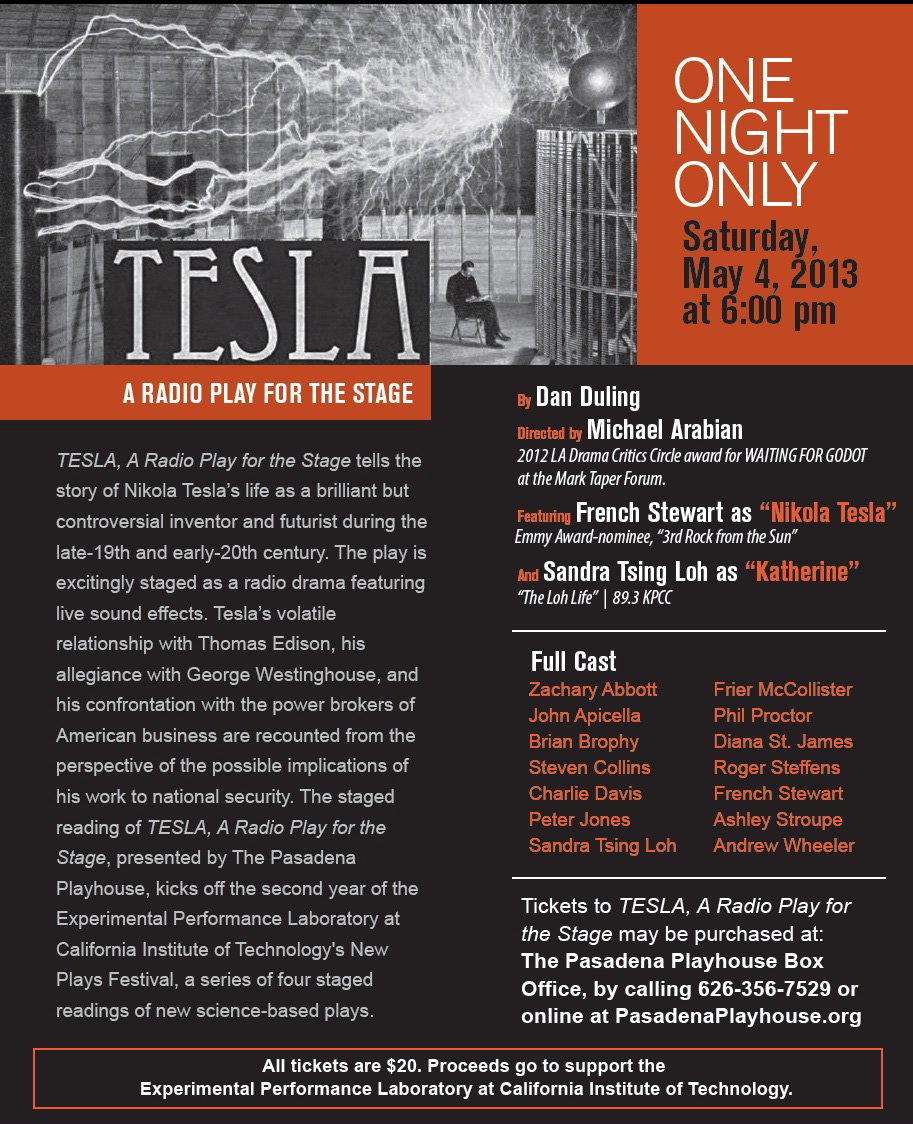
Dan Duling
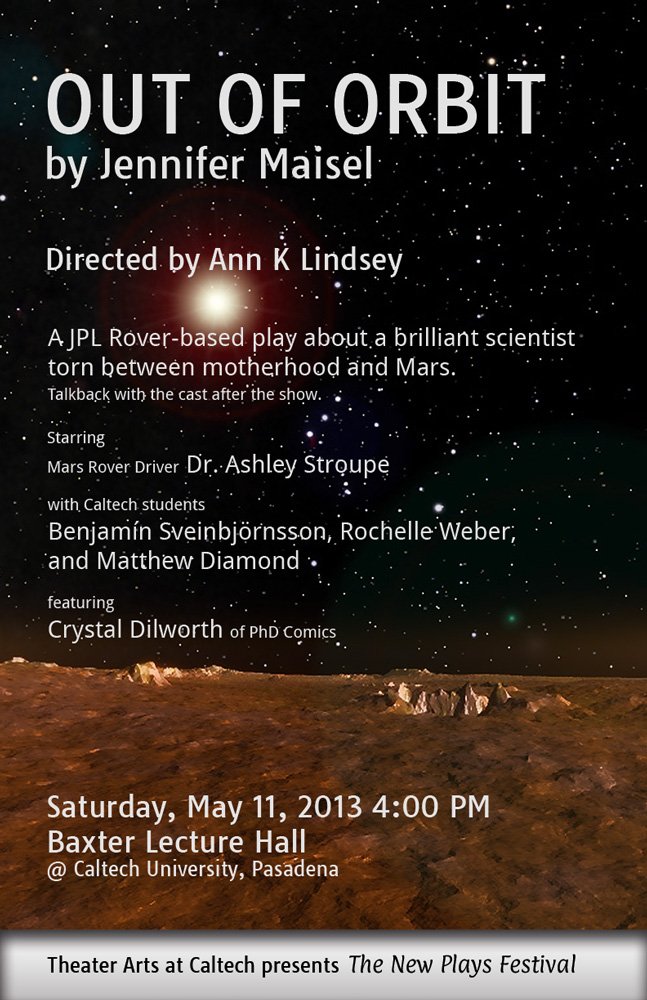
Jennifer Maisel
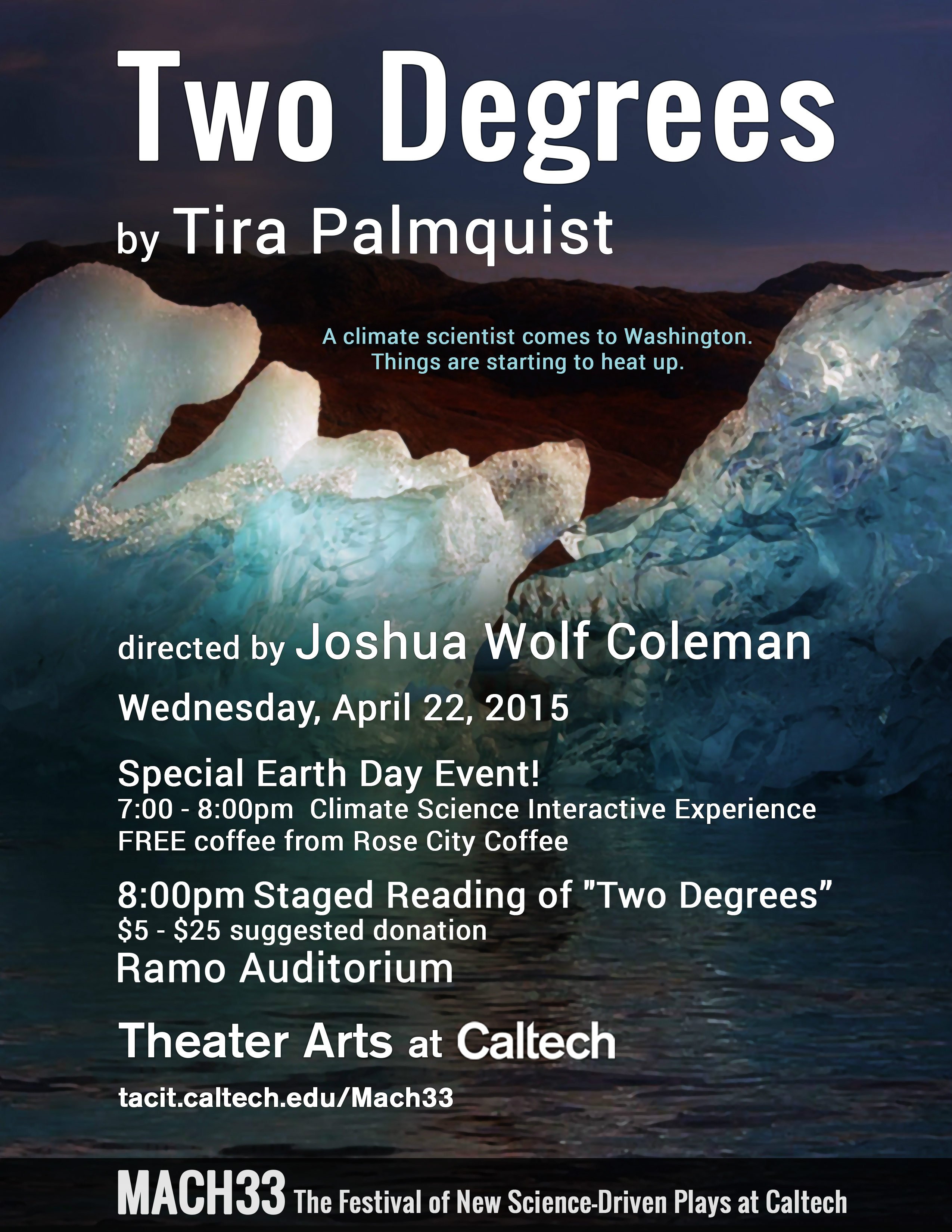
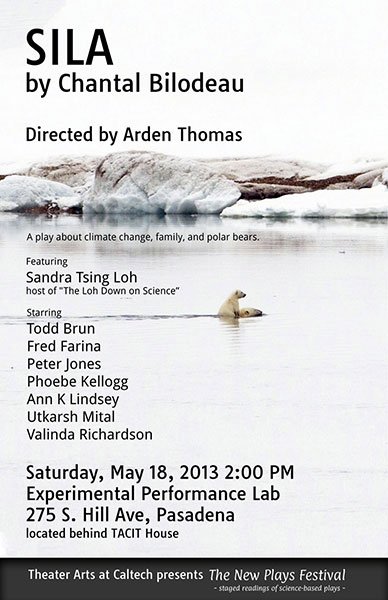
Chantal Bilodeau
Marcus Renner